Corporate Hotel Booking A Comprehensive Guide
Corporate hotel booking is crucial for businesses, enabling smooth travel arrangements for employees. This guide explores the intricacies of the process, from initial requests to final confirmations, highlighting the evolution of booking methods and the pivotal role of technology. We’ll delve into various corporate travel policies, the key players involved, and the common challenges faced by corporations in the industry.
Understanding the diverse factors influencing corporate hotel choices is essential. Location, amenities, price, and ratings are key considerations, but sustainability and corporate social responsibility are increasingly important. This guide also examines how different industries weigh these factors, presenting a comparative analysis to assist in effective decision-making.
Introduction to Corporate Hotel Bookings
Corporate travel and hotel bookings are integral components of the modern business landscape. The ability to efficiently and effectively manage these aspects directly impacts a company’s bottom line, operational efficiency, and overall success. From facilitating international collaborations to supporting on-site conferences, corporate travel is crucial for modern businesses.
The evolution of corporate travel booking processes has been marked by a significant shift from manual, paper-based systems to sophisticated, technology-driven platforms. Early methods relied heavily on travel agents and manual record-keeping. The advent of the internet and online booking tools revolutionized the process, allowing for greater transparency, cost control, and real-time updates. Further advancements in booking software and data analytics continue to refine corporate travel management, leading to more streamlined and cost-effective solutions.
Corporate Travel Policies and Procedures
Corporate travel policies and procedures are essential for maintaining control and consistency within a company’s travel program. These policies dictate everything from the types of accommodations permitted to expense reporting guidelines. They are designed to optimize travel budgets, ensure compliance with regulations, and enhance employee safety. Different companies may have different requirements based on their industry, company culture, and risk tolerance. For example, some policies may restrict travel to specific hotel chains or require pre-approval for all bookings. Others may emphasize sustainability by encouraging the use of eco-friendly hotels.
Key Players in the Corporate Hotel Booking Ecosystem
The corporate hotel booking ecosystem involves a complex interplay of different stakeholders. Corporations are the primary drivers, seeking cost-effective and efficient solutions for their travel needs. Hotels play a vital role by providing accommodations and services tailored to the corporate market. Travel agents, while less prevalent than in the past, often act as intermediaries, providing expertise and support to corporations. Travel management companies (TMCs) have become prominent players, providing sophisticated booking platforms, reporting tools, and cost-management solutions to corporations. Their specialized expertise in handling large volumes of corporate bookings and complex travel arrangements makes them invaluable assets for businesses.
Common Challenges in Corporate Hotel Bookings
Corporations often encounter various challenges when booking hotels. Budget constraints, ensuring compliance with company policies, and maintaining consistent standards across various locations are common concerns. Finding suitable accommodations in high-demand areas during peak seasons can also pose difficulties. Maintaining accurate records and managing complex expense reports are other frequent issues. Further, negotiating favorable rates with hotels and ensuring that chosen hotels meet specific corporate criteria can also be challenging. The rise of unexpected events like natural disasters or geopolitical instability further adds to the complexity of corporate travel management.
Types of Corporate Travel Policies
Various types of corporate travel policies cater to specific needs and preferences. These policies often include provisions for accommodation choices, specifying preferred hotel chains or categories. Expense reporting guidelines detail the procedures for documenting and submitting travel expenses. Safety and security policies Article protocols to mitigate risks and ensure the well-being of employees traveling on business. Some companies also have sustainability policies that prioritize eco-friendly hotels and travel practices. These different types of policies are crucial for managing travel effectively and ensuring compliance with regulations.
The Corporate Hotel Booking Process
The corporate travel landscape demands efficiency and meticulous planning. Effective hotel booking processes are critical for businesses to optimize travel budgets, ensure employee satisfaction, and maintain operational continuity. A streamlined process reduces administrative burdens and frees up valuable time for employees and managers.
Accurate and timely information, coupled with the right tools, is essential for successful corporate hotel bookings. This involves clear communication, well-defined procedures, and a robust technology infrastructure.
Typical Steps in a Corporate Booking
A typical corporate hotel booking follows a well-defined series of steps. These steps are designed to ensure a smooth transition from initial inquiry to final confirmation. A structured approach minimizes errors and potential delays.
- Initial Request: The process begins with a request from a traveler or a travel department. This request may include details like dates of travel, number of guests, room type preferences, and any special requirements. For example, a company may request rooms for a conference or a sales team trip.
- Quotation & Comparison: Based on the request, the travel department or booking agent will obtain quotations from multiple hotels. This is a crucial step to ensure the best possible rates and hotel options that align with the company’s budget and requirements. The availability of online platforms and travel agents simplifies this process significantly.
- Selection & Approval: The traveler or designated team reviews the quotations and selects the most suitable hotel option. This selection is then presented to the appropriate authority for approval. Approval processes vary depending on the company’s policies.
- Booking Confirmation: Once the approval is received, the hotel booking is finalized. Crucial details like room number, booking ID, and contact information are exchanged. A confirmation email or other documentation is sent to the relevant parties.
- Post-Booking Management: Post-booking management includes any changes to the reservation or additional requests. This is often handled by the booking agent or the company’s travel department. Maintaining a centralized record of all bookings is essential for tracking and managing future trips.
Flowchart of the Corporate Booking Process
The corporate hotel booking process can be visualized through a flowchart. This visual representation clarifies the sequence of actions and decisions involved.
[Visual representation of a flowchart is omitted as requested, but would typically show the steps Artikeld above connected by arrows, indicating the flow and decision points.]
Comparison of Booking Methods
Different methods exist for booking corporate hotels. Each method has its strengths and weaknesses.
| Booking Method | Advantages | Disadvantages |
|---|---|---|
| Online Platforms | Wide selection of hotels, competitive pricing, ease of use, and 24/7 access. | Potential for inaccurate information, limited human interaction, and potential for hidden fees. |
| Travel Agents | Expertise in negotiating rates, personalized service, and knowledge of travel policies. | Potentially higher fees, less transparency, and potentially slower response times. |
| Direct Hotel Booking | Potential for exclusive deals, direct communication with hotel staff. | Limited comparison options, potentially less convenient for large bookings. |
Importance of Accurate and Timely Information
Accurate and timely information is paramount to the success of a corporate hotel booking. Errors or delays can lead to significant disruptions, financial losses, and potential damage to the company’s reputation.
Accurate information includes correct dates, room types, number of guests, and any special requirements. Timely information ensures that the reservation is made within the necessary timeframe and allows for adjustments if needed. This is crucial in situations like conference bookings or urgent travel needs.
Role of Technology in Streamlining Bookings
Technology plays a vital role in streamlining corporate hotel bookings. Automation and digital tools simplify processes, enhance efficiency, and reduce administrative burden.
Modern booking systems allow for automated quotation requests, online approval workflows, and centralized reservation management. Data analytics and reporting features further enhance the process by providing insights into travel patterns, cost optimization, and hotel performance. This data-driven approach helps companies make informed decisions and improve their overall travel management strategy.
Technology and Tools for Corporate Bookings

Source: paxes.com
Modern corporate hotel booking systems leverage sophisticated technology to streamline the process and optimize resource allocation. These platforms provide a centralized hub for managing travel arrangements, often integrating with existing business software to offer a comprehensive solution. This efficiency translates to cost savings and improved travel management for companies.
Key Technologies in Corporate Booking Systems
Corporate hotel booking systems rely on several key technologies. Centralized reservation databases ensure accurate and real-time availability information. Cloud-based platforms facilitate accessibility from various locations and devices. Secure payment gateways are crucial for processing transactions safely. Furthermore, robust reporting tools generate insightful data on travel spending and patterns.
Functionalities of Corporate Booking Platforms
Common corporate booking platforms offer a suite of functionalities designed to simplify travel management. These include centralized booking and management of multiple travelers, automated reporting and analysis of travel spend, integration with expense reporting systems, and advanced search filters to quickly identify suitable hotels based on criteria like location, amenities, and budget. They also typically offer features like customizable preferences for each user, automated email confirmations, and secure online payment processing.
Platform Integration with Business Systems
A significant advantage of corporate booking platforms lies in their integration capabilities. These platforms often seamlessly connect with existing enterprise resource planning (ERP) systems, providing real-time data exchange. Integration with expense reporting software automates the reconciliation process, eliminating manual data entry. This interconnectedness streamlines workflows and minimizes errors. Furthermore, integration with corporate calendars enables scheduling and resource management to be consolidated.
Comparison of Corporate Booking Tools
| Tool | Features | Pricing | Integration |
|---|---|---|---|
| Booking Platform X | Advanced search filters, real-time availability, customizable reports, expense reporting integration, multiple user access, mobile app | Tiered pricing based on user count and features | Integrates with major ERP systems (SAP, Oracle), expense management tools (Concur, Coupa), and calendar applications |
| Booking Platform Y | User-friendly interface, detailed reporting, robust security features, centralized booking, and hotel comparison tools | Per-user or per-booking fees, potential volume discounts | Integrates with CRM systems, financial management software, and third-party travel agencies |
| Hotelbeds API | Access to a vast global hotel inventory, flexible rate negotiation, and bulk booking capabilities | Commission-based model, variable pricing based on volume, and negotiation | Direct integration with custom booking systems |
Impact of Automation on Booking Processes
Automation significantly impacts the corporate hotel booking process. Automated email confirmations and reminders reduce the risk of errors and ensure timely communication. Automated expense reporting integration streamlines the reimbursement process. Automated rate comparisons and dynamic pricing can help identify optimal hotel options, potentially saving considerable funds. For example, a company using an automated booking system can quickly identify and compare rates from multiple hotels in different locations, minimizing the need for manual comparisons.
Factors Influencing Corporate Hotel Choices
Corporate travel decisions often hinge on a complex interplay of factors. Businesses prioritize hotels that align with their specific needs, whether it’s maximizing productivity for a conference or ensuring a comfortable stay for employees on a business trip. Understanding these influencing factors allows for informed decision-making, optimizing travel budgets, and fostering a positive employee experience.
Key Factors in Hotel Selection
Several crucial elements influence the choice of a corporate hotel. These include tangible aspects like location, amenities, and price, as well as less tangible factors such as brand reputation and the hotel’s commitment to sustainability. Effective hotel selection often involves careful consideration of each category.
Location Considerations
Proximity to the business’s primary destination is often a top priority. This could be the event venue, a client’s office, or the central hub for business operations. Hotels situated in central locations, or near transportation hubs, generally facilitate easy access to work and other important destinations. A strategic location minimizes travel time and maximizes work efficiency. For example, a hotel close to a major convention center will be highly favored for a corporate conference.
Amenities and Services
Corporate travelers often value specific amenities, reflecting the needs of the particular business. High-speed internet access, meeting rooms, business centers, and parking are frequently essential considerations. The presence of these amenities directly impacts employee productivity and overall business operations. Additionally, some companies might prioritize hotels with specific facilities such as gyms or restaurants with catering options, tailored to the specific needs of their employees.
Price and Value
Budget constraints are a significant factor. Businesses strive to find the best value for their investment, balancing the cost of accommodations with the quality of the hotel and its services. Negotiating corporate rates and considering package deals can often yield substantial cost savings. Companies often employ price comparison tools to ensure they are getting the most competitive rate for the desired accommodations.
Hotel Ratings and Reputation
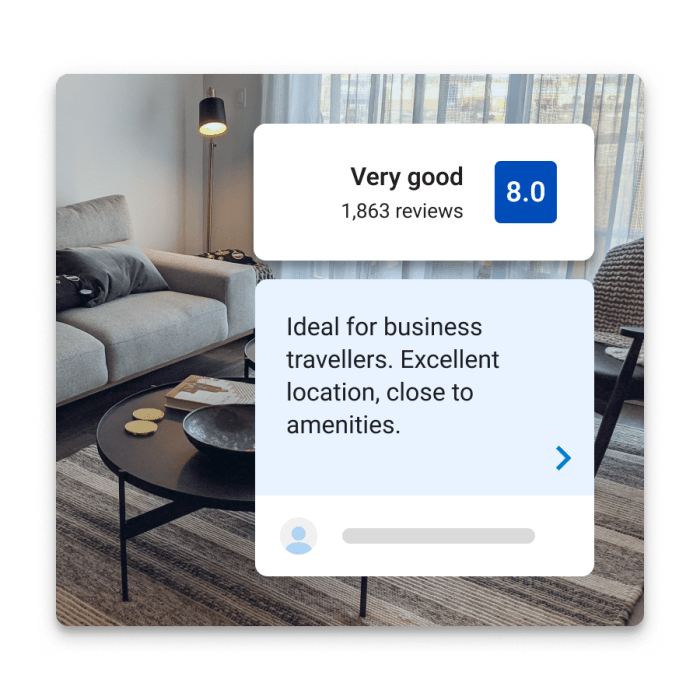
Positive reviews and high ratings from previous guests are important indicators of a hotel’s quality and service. Customer reviews, both online and through established platforms, often provide valuable insight into the hotel’s reputation. The feedback helps in assessing the overall experience and helps corporate travelers make more informed decisions. For example, a high-rated hotel with numerous positive reviews for its service is often preferred over one with lower ratings and complaints.
Sustainability and Corporate Social Responsibility
Growing awareness of environmental issues and corporate social responsibility is impacting hotel choices. Companies are increasingly looking for hotels with environmentally friendly practices, supporting local communities, and adhering to ethical standards. These criteria are crucial in demonstrating a company’s commitment to sustainable practices. Hotels that actively engage in environmental initiatives, such as reducing energy consumption or supporting local conservation efforts, are more likely to attract environmentally conscious corporations.
Industry-Specific Criteria
Different industries have distinct priorities when selecting hotels. For example, technology companies might prioritize hotels with excellent Wi-Fi connectivity, while consulting firms may emphasize proximity to key client locations. The table below illustrates the relative importance of various factors across different industries.
| Factor | Importance (Technology Industry) | Importance (Consulting Industry) | Importance (Finance Industry) |
|---|---|---|---|
| Location | High | High | Medium |
| Amenities (High-speed internet, meeting rooms) | Very High | Medium | High |
| Price | Medium | Medium | High |
| Sustainability | High | Medium | High |
Managing Corporate Hotel Bookings Effectively
Source: booking.com
Effective corporate hotel booking management is crucial for optimizing travel budgets, ensuring employee satisfaction, and streamlining the entire travel process. A well-structured approach reduces administrative burden, minimizes errors, and maximizes the return on investment for corporate travel programs. This involves implementing strategies that integrate technology, communication, and policy for efficient and seamless booking experiences.
Maintaining consistent procedures and clear communication channels are key to success. A robust system for tracking and analyzing booking data empowers organizations to identify trends, optimize future choices, and make informed decisions about travel policies and budgets.
Strategies for Efficient Booking Management
Implementing standardized booking procedures and clear guidelines significantly improves efficiency. This includes pre-approved vendor lists, preferred hotel choices, and clear communication channels for employee requests. Well-defined criteria for selecting hotels based on business needs, location, and amenities help streamline the process.
- Establish clear booking protocols:
- Implement a centralized reservation system.
- Develop a tiered system of approval for various booking levels.
- Utilize technology for automated booking confirmation and reminders.
Effective Communication Protocols
Maintaining open communication between travel departments and employees is essential for seamless booking management. This ensures clarity on policies, procedures, and expectations. Effective communication reduces misunderstandings and facilitates quick issue resolution.
- Employee Portal Access: Provide employees with a dedicated portal or platform to access travel policies, guidelines, and booking information. This enables employees to readily access the latest information and avoids the need for repeated inquiries.
- Dedicated Travel Desk: Designate a specific team or individual within the travel department to handle employee inquiries and address booking-related concerns promptly. This direct point of contact for employees improves response times and provides personalized support.
- Regular Communication: Maintain consistent communication regarding policy updates, new booking tools, and any relevant travel advisories through email, internal messaging platforms, or employee newsletters. This proactive approach reduces the likelihood of misunderstandings.
- Feedback Mechanisms: Implement systems to collect employee feedback on the booking process. This feedback helps identify areas for improvement in policies and procedures.
Tracking and Analyzing Booking Data
Data analysis provides invaluable insights into booking patterns, preferences, and areas for improvement. Regular review of booking data allows for informed decisions about future travel choices and budget allocation.
- Data Collection and Reporting: Implement a system to collect and analyze data on booking frequency, destinations, chosen hotels, and associated costs. This data can be used to create detailed reports and visualizations.
- Trend Identification: Analyze the collected data to identify recurring patterns and trends. Understanding popular destinations, preferred hotel chains, and typical booking periods enables more effective resource allocation.
- Cost Optimization: Using data insights, identify opportunities to reduce costs. For example, identifying alternative accommodations that align with budget constraints, negotiating better rates with preferred hotels, or adjusting booking strategies during off-peak seasons.
Importance of Travel Policies
Clear travel policies are essential for guiding employee booking decisions, controlling costs, and maintaining consistency. These policies should align with company values and ensure compliance with regulations. Policies provide clarity, ensuring employees understand their rights and responsibilities related to business travel.
- Cost Containment: Travel policies play a significant role in cost management. Clearly defined policies on acceptable travel expenses, preferred modes of transport, and hotel choices help control expenditure.
- Compliance and Security: Policies must ensure compliance with company regulations, legal requirements, and security standards. These policies minimize risk and promote a safe travel environment.
- Consistency and Efficiency: Consistent policies ensure fair treatment for all employees and maintain a standardized approach to booking procedures. This fosters efficiency in the travel process and reduces administrative burden.
Benefits of Centralized Booking Systems
Centralized booking systems offer several advantages for corporate travel management. They streamline the process, reduce costs, and provide better control over travel budgets.
- Reduced Administrative Burden: Centralized systems automate many tasks, reducing the workload on travel departments and freeing up resources for other priorities.
- Cost Savings: These systems often negotiate better rates with hotels, airlines, and other travel providers, leading to significant cost savings.
- Enhanced Control and Visibility: Centralized systems provide comprehensive visibility into all travel bookings, enabling better control over budgets and ensuring compliance with policies.
Illustrative Examples of Corporate Hotel Booking Scenarios
Corporate hotel bookings often involve complex factors and potential challenges. Understanding successful scenarios and common issues, along with effective solutions, is crucial for smooth operations and enhanced customer satisfaction. This section provides practical examples to illustrate these aspects.
Successful Corporate Hotel Booking Scenario
A large technology company, “InnovateTech,” requires 50 rooms for a week-long conference at the “Grand Metropolis Hotel.” InnovateTech’s travel department utilizes a robust online booking platform to manage the entire process. They clearly define the required dates, room types, and special requests (e.g., high-speed internet access in each room). The platform facilitates communication between InnovateTech and the hotel, ensuring all requests are understood and addressed. Prompt confirmations and pre-arrival communication regarding parking, catering, and meeting room setups ensure a seamless experience for the conference attendees. The platform also provides detailed invoicing and payment options.
Corporate Booking Facing Unexpected Issues
A multinational corporation, “GlobalSolutions,” books a block of 100 rooms at the “Coastal Breeze Resort” for an annual sales meeting. Due to unforeseen circumstances, a significant portion of the meeting participants cancels their attendance a week before the event. The resort, however, had already finalized its staffing and catering plans based on the initial booking. This results in excess inventory and potential revenue loss for the hotel. Furthermore, GlobalSolutions may face a challenge in securing alternative arrangements for their remaining attendees and adjusting the contractual agreement with the hotel.
Solutions for Common Booking Problems
Several solutions can address the challenges faced by GlobalSolutions:
- Negotiation with the Hotel: GlobalSolutions can negotiate with the hotel for a revised agreement that reflects the reduced occupancy. This might involve adjusting the total cost, or the cancellation of unused rooms and related services, or a flexible refund policy for unused rooms.
- Alternative Accommodation for Attendees: GlobalSolutions can identify alternative accommodations for those still attending the meeting, potentially within the same area or with a similar level of service.
- Communication is Key: Transparent communication between GlobalSolutions and the hotel, and with affected attendees, is paramount. This builds trust and fosters a resolution.
Role of Customer Service in Resolving Issues
Effective customer service is essential in mitigating booking problems. Dedicated personnel can proactively address issues, such as cancellations or changes in room requirements, by offering flexibility and solutions. Customer service agents can act as mediators between the corporation and the hotel, finding mutually agreeable solutions that minimize financial losses and maintain a positive relationship. The prompt and professional handling of the situation demonstrates the company’s commitment to its clients and its ability to adapt to unforeseen circumstances.
Impact of Different Booking Strategies
Different booking strategies impact the overall travel experience in significant ways. Utilizing a centralized booking platform, for example, offers greater control and visibility into the entire process. This approach allows for better monitoring of room allocations, cost management, and communication. Customized booking strategies, such as negotiated rates or preferred hotel partnerships, can lead to substantial cost savings for the corporation, often coupled with exclusive services and amenities. However, it’s important to balance these strategies with the needs and preferences of the travelers.
Future Trends in Corporate Hotel Bookings
The corporate travel landscape is undergoing a rapid transformation, driven by evolving employee expectations, technological advancements, and a growing awareness of sustainability. This evolution necessitates a proactive approach to understanding and adapting to these changes for optimal corporate hotel booking management.
The future of corporate hotel bookings will be shaped by a blend of technological innovations, evolving employee preferences, and a renewed focus on sustainability. Predicting precise outcomes is challenging, but anticipating key trends allows organizations to strategically position themselves for success in the evolving market.
Emerging Trends in Corporate Travel
The corporate travel industry is experiencing a shift towards greater personalization and flexibility. Employees are increasingly seeking booking experiences tailored to their individual needs and preferences. This trend is driven by a desire for control over their travel arrangements, including choice of hotel amenities, travel times, and booking options. Companies are recognizing the importance of providing seamless and efficient travel experiences for their employees.
Potential Future Changes in the Corporate Hotel Booking Process
The booking process is poised to become even more streamlined and automated. AI-powered tools will likely play a larger role in predicting traveler preferences, optimizing booking choices, and managing potential issues in real-time. This automation will allow companies to manage a larger volume of bookings more efficiently, reducing manual intervention and administrative overhead.
Technology’s Role in Shaping Future Travel Experiences
Technology is rapidly reshaping the way companies and employees approach corporate travel. Mobile-first booking platforms, integrated travel management systems (TMS), and real-time booking tools are becoming increasingly commonplace. These tools empower employees with greater control and transparency in their travel arrangements. Furthermore, the use of data analytics is likely to improve the accuracy of booking recommendations and predictions, leading to more efficient and effective travel experiences.
Innovative Technologies in Corporate Travel
Several innovative technologies are being employed in the corporate travel sector. Predictive analytics tools are being used to forecast demand and optimize hotel choices, resulting in cost savings. Virtual reality (VR) and augmented reality (AR) technologies are being explored to enhance the employee experience, allowing them to virtually tour potential hotel locations before booking. This creates a more informed and engaging experience.
Illustrative Examples of Future Corporate Travel, Corporate Hotel Booking
Consider a scenario where an employee’s preferred travel style is automatically recognized by the booking platform. The platform then recommends hotels aligned with their preferences, such as proximity to specific amenities or sustainable practices. Another example includes an integrated system that allows employees to track carbon emissions associated with their travel choices, empowering them to make environmentally conscious decisions.
Potential Challenges and Opportunities
While the future of corporate hotel bookings presents numerous opportunities, there are also challenges to address. Ensuring data privacy and security within integrated systems is paramount. The transition to new technologies may require significant investments in training and infrastructure. However, companies that effectively leverage technology and adapt to evolving employee preferences will gain a competitive edge in the future.
Ending Remarks
In conclusion, effective corporate hotel booking management relies on a combination of efficient processes, robust technology, and a keen understanding of industry trends. Centralized booking systems, clear communication protocols, and data analysis are crucial for optimization. This guide has presented a thorough overview, equipping businesses with the knowledge to navigate the complexities of corporate travel and secure the best possible hotel arrangements for their employees. The future of corporate hotel booking is promising, driven by innovative technologies and an evolving emphasis on sustainability and corporate social responsibility.